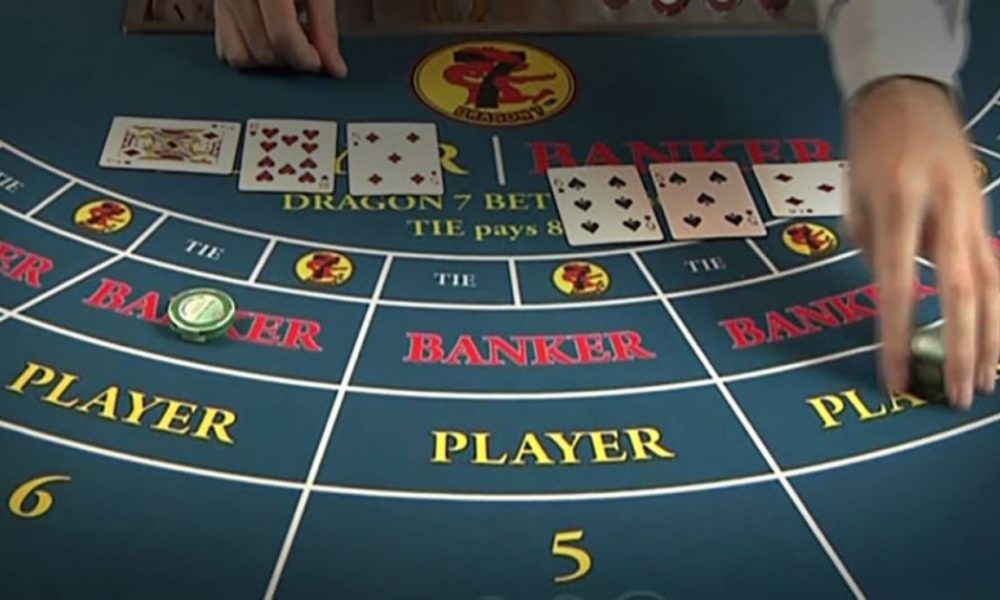



What creates table differences?
Rule variants, reveal mechanics, and presentation style account for most of what separates one table from another. Core gameplay underneath stays identical, so differences live in how each table dresses and runs it.
Some contrasts are written into the rules themselves, like how a winning Banker hand settles. Others are purely experiential. A squeeze table draws out the card reveal for tension, while a standard one flips everything instantly. Studio choices change the feel again, from camera angles to the way results get announced. None of it alters the draw rules or the outcome math. Two tables on the same เว็บบาคาร่า can share every probability and still feel like entirely different games once a session gets going, and exactly that gap in feel is what each section below covers.
Do rule variants matter?
Variants matter in small but real ways, mostly around how certain winning hands settle. The dealing procedure never changes, so adjustments only touch the edges of the game.
Three variants appear most often across live tables.
- Commission handling – Classic tables apply a standard deduction on Banker wins, while no commission versions replace it with a special rule for one specific Banker total.
- Banker’s six rule – On many no-commission tables, a Banker wins by holding a total of six settlements under its own special term, which forms the trade built into the format.
- Tie handling quirks – A few variants adjust how a tie interacts with main positions, though most tables follow standard treatment.
Reading the table information panel before sitting confirms which variant applies at any given seat.
Squeeze reveal styles
Reveal mechanics shape the emotional pace of a table more than almost anything else. A squeeze table hands control of the card flip to the dealer, who bends each card slowly so its value emerges edge by edge. Rounds take noticeably longer. Tension is the trade, and plenty of players consider it the entire point. Dealers at squeeze tables receive training for the ritual as well, with pacing that turns every reveal into its own small event.
Standard tables flip everything at once, and speed formats compress the reveal even further. Some versions allow players to trigger a digital squeeze themselves. Outcomes never change regardless of reveal style. Even so, sessions at a squeeze table and a speed table feel almost unrelated, which explains why one mechanic splits player preference so cleanly.
Studio presentation contrasts
Presentation covers everything around the cards. Camera count, the angle on the shoe, how the dealer announces results, and the graphics layered over the stream. Tables produced in different studios carry distinct atmospheres even when the game and rules match exactly.
Some studios run a single fixed camera and a quiet dealer. Others cut between angles, zoom in on every reveal, and keep a running commentary going. Language options vary by studio, too. Lighting and table dressing differ as well, and regular players often recognise a studio at a glance. None of it affects outcomes, though the atmosphere decides how long a player stays comfortable.
Differences between baccarat tables come from rule variants at the edges, reveal mechanics in the middle, and presentation wrapped around everything. Underlying gameplay never moves. Knowing where real contrasts sit allows a player to pick the version matching the session intended.